


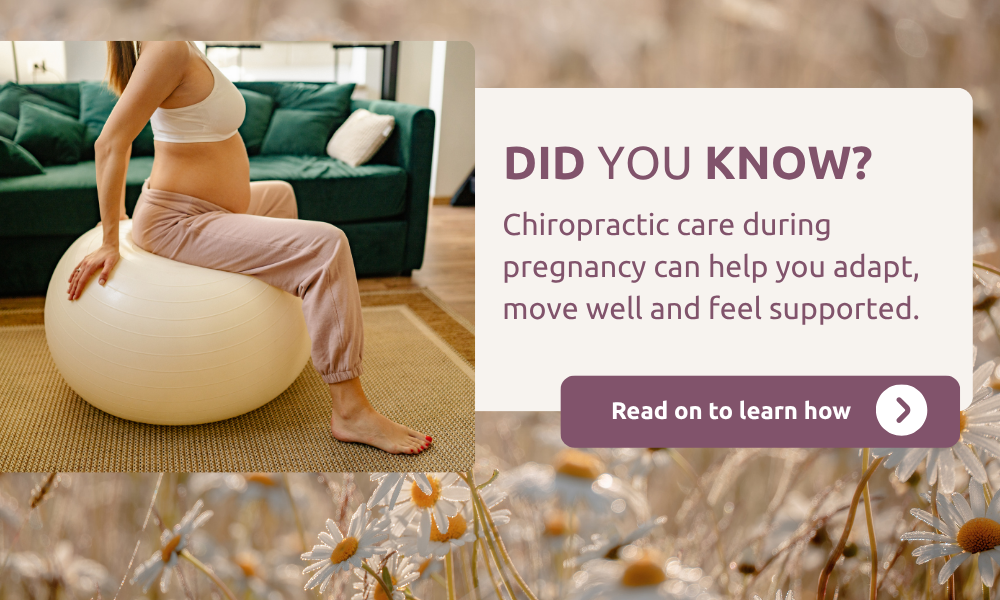
Pregnancy is a time of incredible change.
Some of those changes are obvious, like your growing belly. Others are a little less obvious, like the way your posture shifts, your joints move, your pelvis adapts, your breathing changes, and your body finds new ways to support both you and your baby.
For some women, these changes feel relatively smooth. For others, they can come with aches, tension, pressure, fatigue or the feeling that their body just isn’t moving the way it usually does.
Read More
Many women are taught about their period… but not necessarily about everything that happens between them.
What often gets missed is that your hormones don’t just influence your cycle—they can also affect your energy, mood, sleep, stress tolerance, recovery, and even how your body feels from week to week.
At Your Body Works, we often see women who begin noticing patterns in how their body feels throughout the month.
Read More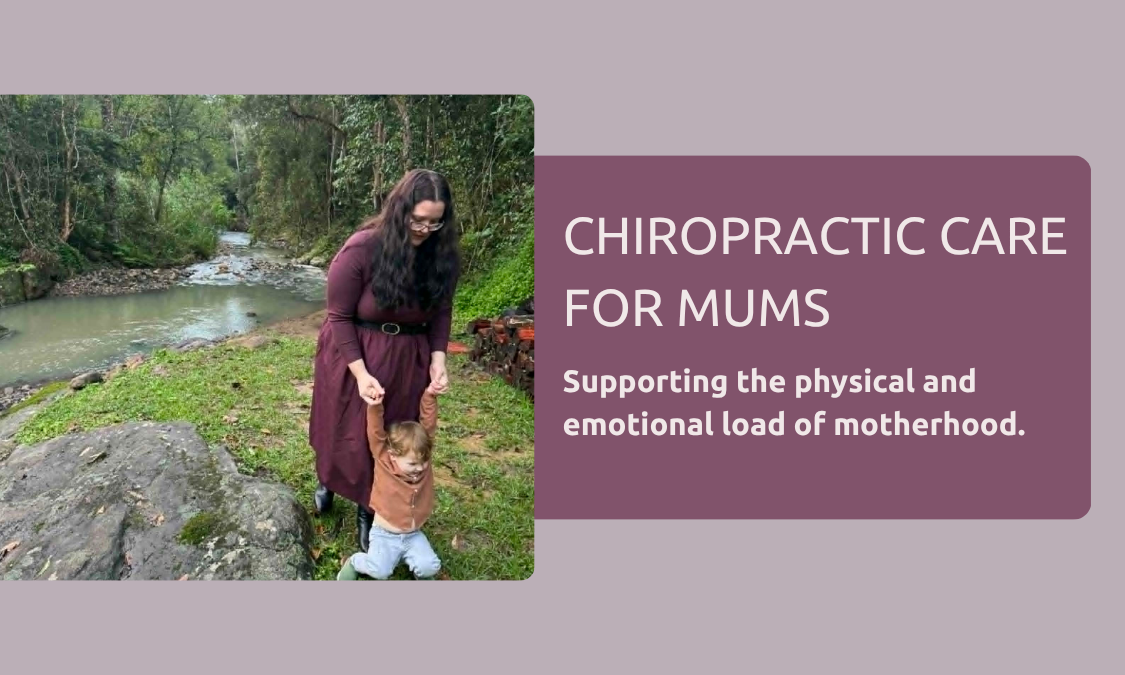
As mums, we often carry so much of the load for our families both physically and mentally. From literally carrying babies through pregnancy, to always having a toddler on one hip, a nappy bag over one shoulder, lifting prams in and out of the car, packing lunches, remembering clothing sizes, managing routines, activities, meals, and appointments… the list can feel never-ending.
And yet, most mums make it look easy.
Read More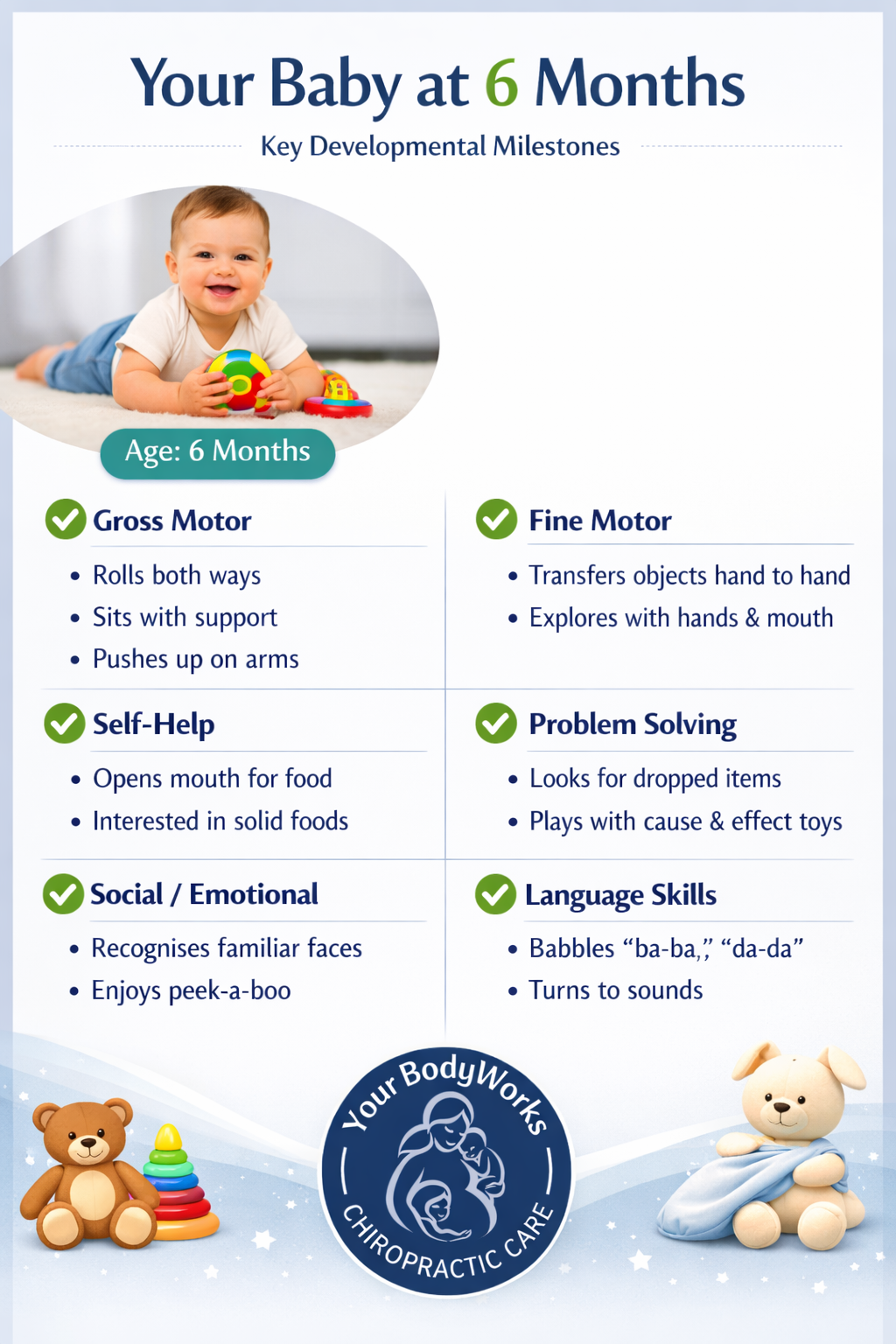
A Big Leap in Development - At six months, your baby enters one of the most exciting stages of early development. They’re stronger, more expressive, and increasingly curious about the world around them. This is the age where movement becomes purposeful, communication becomes clearer, and personality shines through.
Read More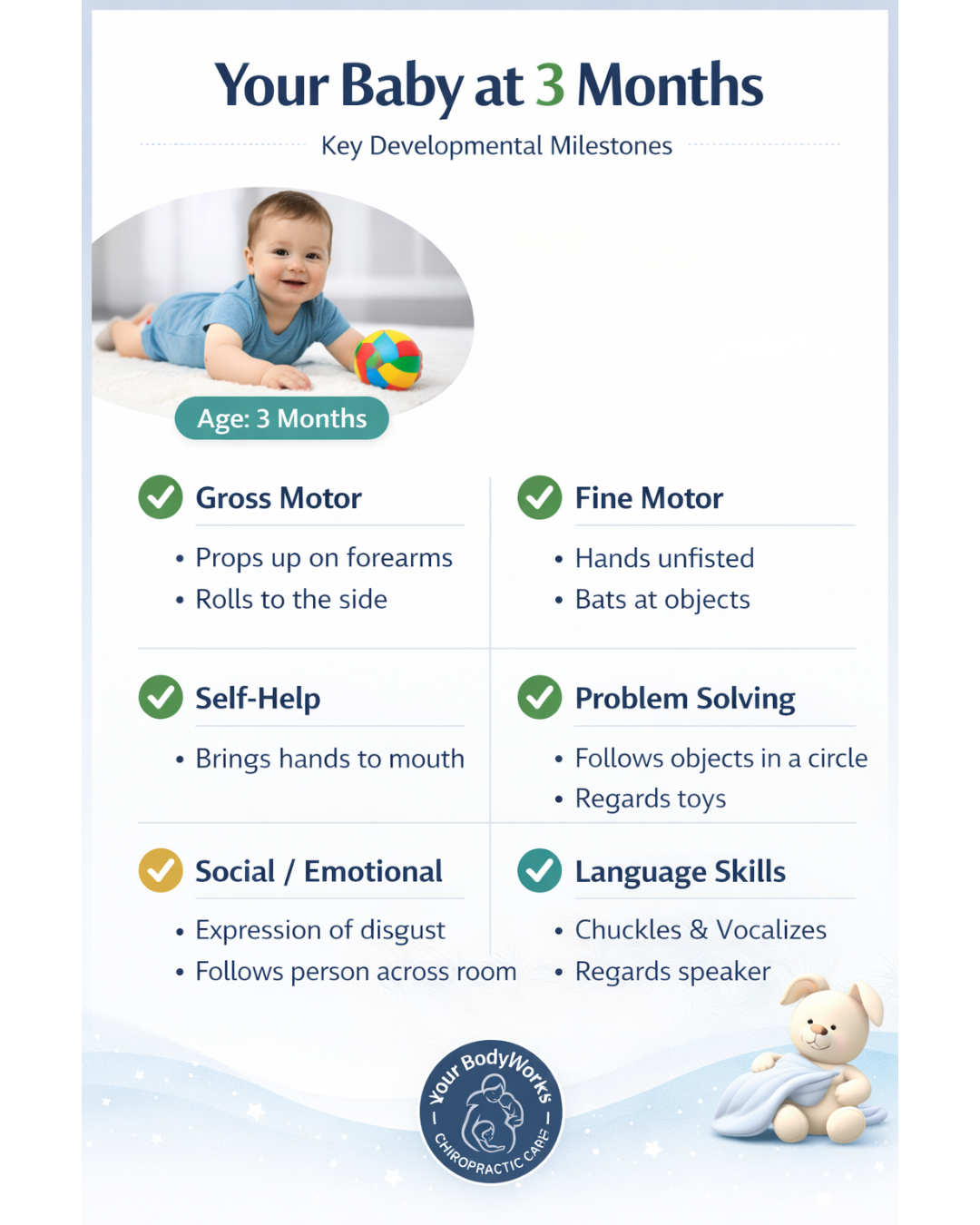
The Wonder of Three Months
At around three months, your baby begins to truly engage with the world. Those first smiles, chuckles, and curious glances mark the start of purposeful development — a time when connection and coordination begin to flourish
Read More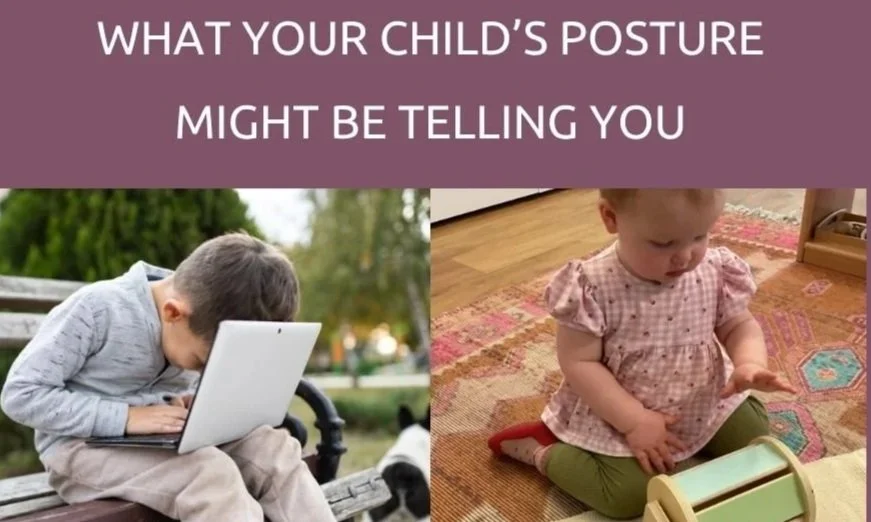
You’ve probably noticed it at some point… The way your child sits, leans, slouches — or somehow ends up upside down more often than upright.
Most of the time, these little posture habits aren’t something to worry about. But over time, they can start to form patterns and those patterns can give us a few clues about how your child’s body is moving, growing and supporting itself day to day.
It’s less about trying to get your child to “sit up straight” and more about understanding what feels easy (or not so easy) for their body.
Some positions offer more stability, some require more strength, and some give kids the movement or input they’re naturally seeking.
Read More
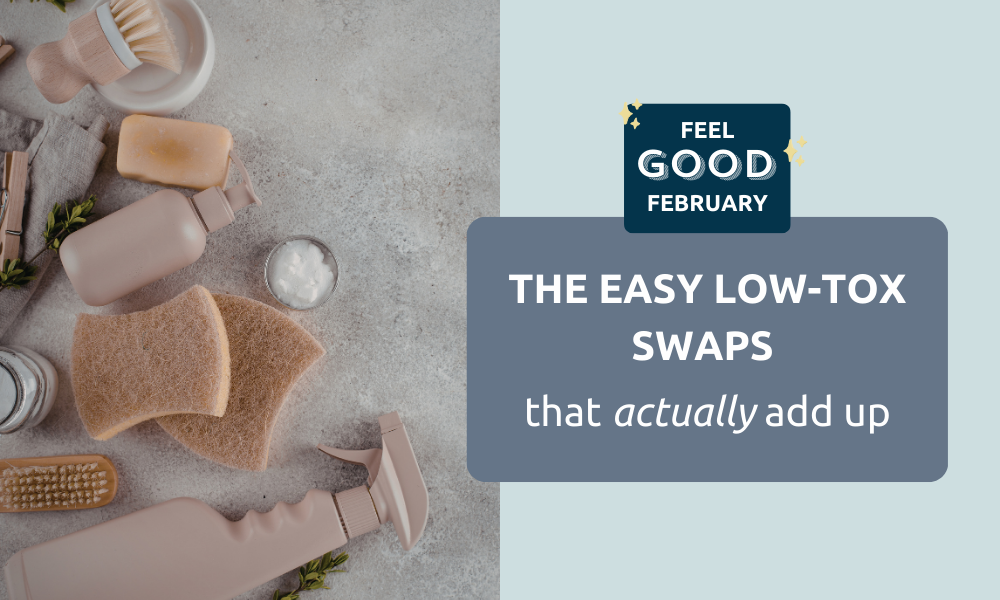
Conventional cleaning products are often filled with synthetic fragrances, harsh surfactants, disinfectants and chemical residues that linger in the air and on surfaces long after you’ve finished wiping the bench. We use them weekly, sometimes daily. We spray them, inhale them, and they sit on the surfaces our children crawl and play on. While any single exposure might be small, it’s the cumulative load that matters.
The encouraging part is that you don’t need to spend a fortune on boutique “eco” brands to make a meaningful shift. Thoroughly cleaning your home can be surprisingly simple when you understand what actually does the work.
Read More
If February has arrived and your usually easy-going child suddenly feels more emotional, tired, clingy, or reactive — you’re not imagining it, and you’re definitely not alone.
For many families, February is when the wheels wobble a little. The excitement of the new year has worn off, school routines are back in full swing, and children’s nervous systems are quietly trying to catch up.
Read More
Listening to our body sounds simple… but in reality, it’s a skill — and often a hard one to learn.
Our bodies are constantly communicating with us. The challenge is learning how to listen before whispers turn into shouts.
Read More
For many of us, coffee is part of the daily routine. The smell, the warmth, the ritual — and of course the boost that helps us get going in the morning or push through an afternoon slump. But beyond that familiar buzz, what is caffeine actually doing in the body, and why might someone choose to take a break from it?
Read More
Christmas is over, the new year has begun, and school is back, which for most of us means life is meant to be “back to normal”. But after the silly season, finding that sense of normal can feel harder than we expect.
At Your Body Works, we love using this time of year to reset and introduce healthy challenges, something we’ve come to call Feel Good February. It’s a chance to focus on simple, realistic changes that support how our bodies and nervous systems function day to day. Throughout the month, our team will be sharing how they’re making small changes to support their body, diet, and mental health, and how chiropractic care can fit into that picture.
As chiropractors and parents, we know how much change this time of year can bring — especially in the first few weeks — and we’re here to help support families through the transition.
A back-to-school chiropractic check is a chance to look at how your child’s nervous system and body are coping as they settle into the school year
Read More
We’ve put together a few practical tips on what to look for when choosing a school bag, to help set kids up well from the start. We’ve also included some simple setup tips, especially helpful if your child doesn’t have much choice in the bag they’re using.
Read More
Choosing the right school shoe can sometimes be a daunting process for parents. After all,
our kids are going to be spending the majority of their time in this shoe. When choosing the
right school shoe for your child, we want a shoe that will let the foot develop naturally,
especially in their early years.
Read More
Are Growing Pains Really Just Growing Pains?
Growing pains are something most parents have heard of — that aching,
burning or cramping pain in the legs (often both) that tends to strike in the
evening or at night and then disappears by morning. They’re common
between the ages of 3–12 and can come and go over months or even years.
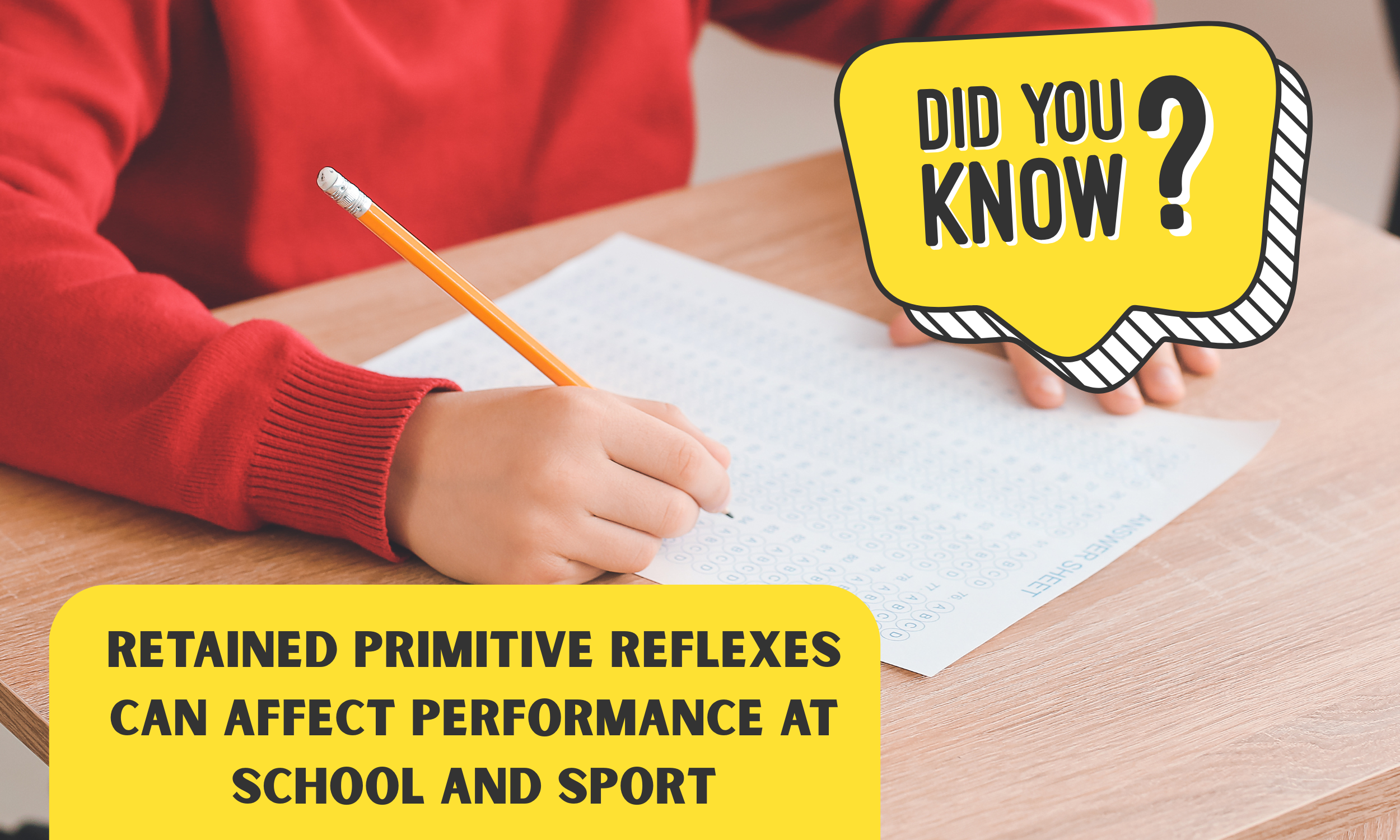
How Primitive Reflexes Can Affect School Performance, Sport, and Confidence
We all know that every child learns and grows in their own unique way but sometimes, challenges with focus, coordination, or even confidence can be linked to something deeper in the way their brain and body are communicating. One often-overlooked factor is retained primitive reflexes
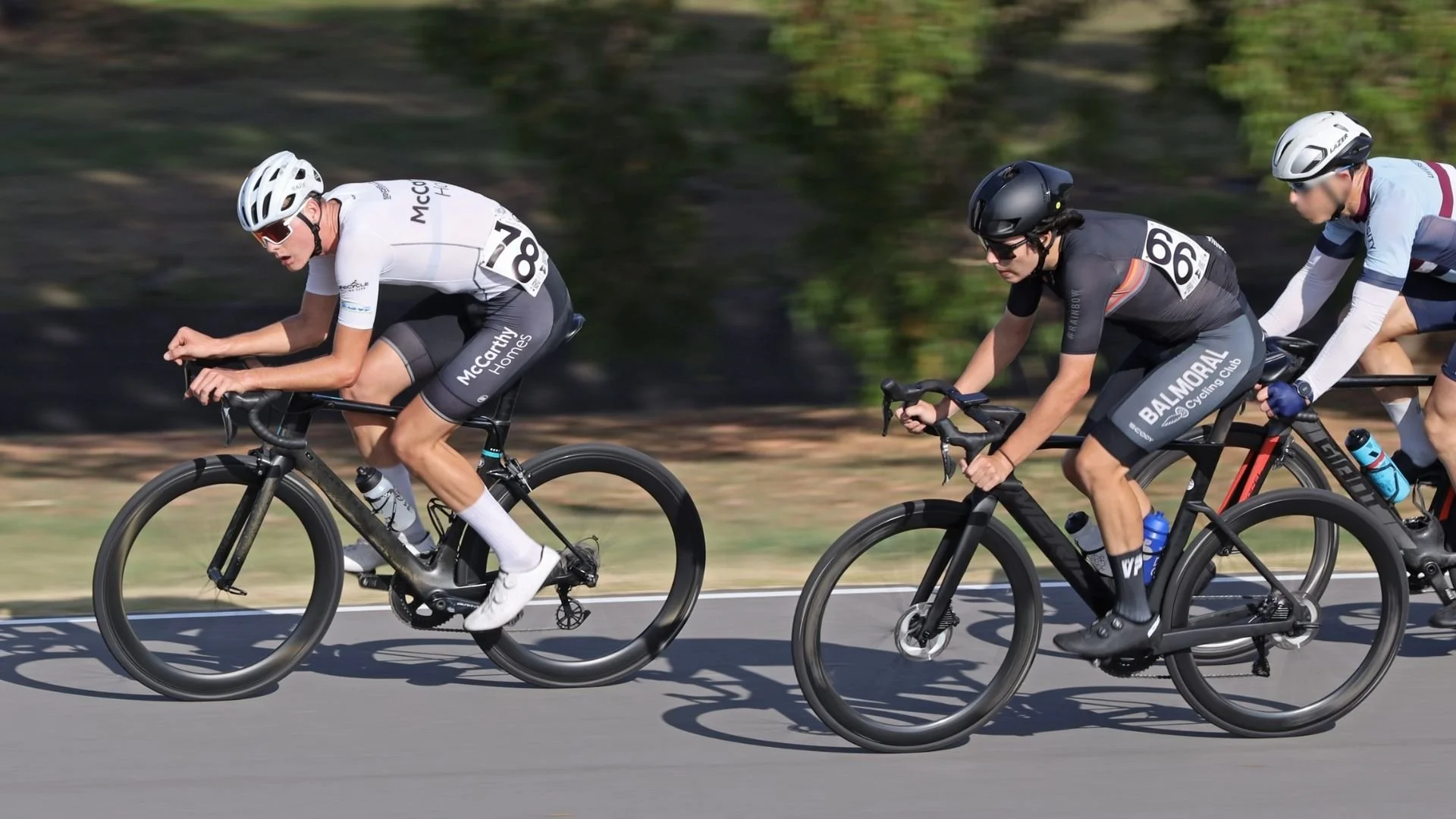
At Your Body Works, we’re passionate about helping people of all ages unlock their potential — whether that’s recovering from injury, enjoying everyday activities without pain, or reaching new sporting goals.
Read More
Is your child just clumsy—or is something else going on?
Proprioception is their body’s sense of awareness, and when it’s out of balance, kids can trip, bump, and tumble more often. Chiropractic care helps support the nervous system so kids can move with more ease and confidence.
Read More